
Water Damage Repair in the Phoenix Area
After a leak is stopped, the damage still needs fixing. We repair the swollen cabinet bases, stained ceilings, soft drywall and damaged flooring it left behind.
What We Do
- Under-sink cabinet repair
- Ceiling stain repair
- Drywall replacement
- Baseboard replacement
- Flooring patching
- Repaint to match
Water damage has two parts: the cause and the cleanup. Our work begins after the first part is finished. Once the leak is fixed and everything is dry, we rebuild what the water ruined: the cabinet base that swelled, the drywall that went soft, the ceiling stain that keeps reminding you. Understanding that order protects you from paying twice for the same repair.
Signs there is damage to repair
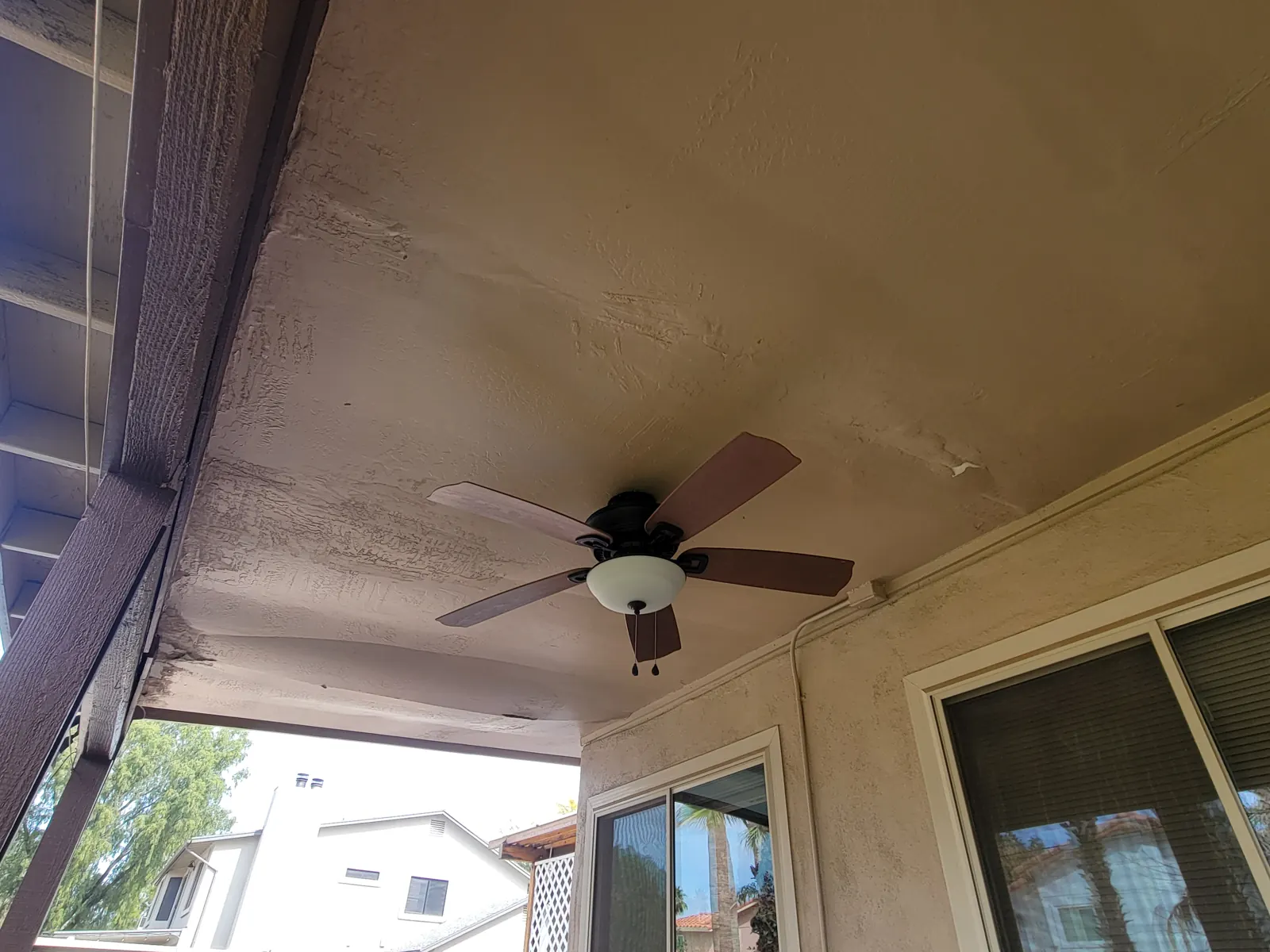
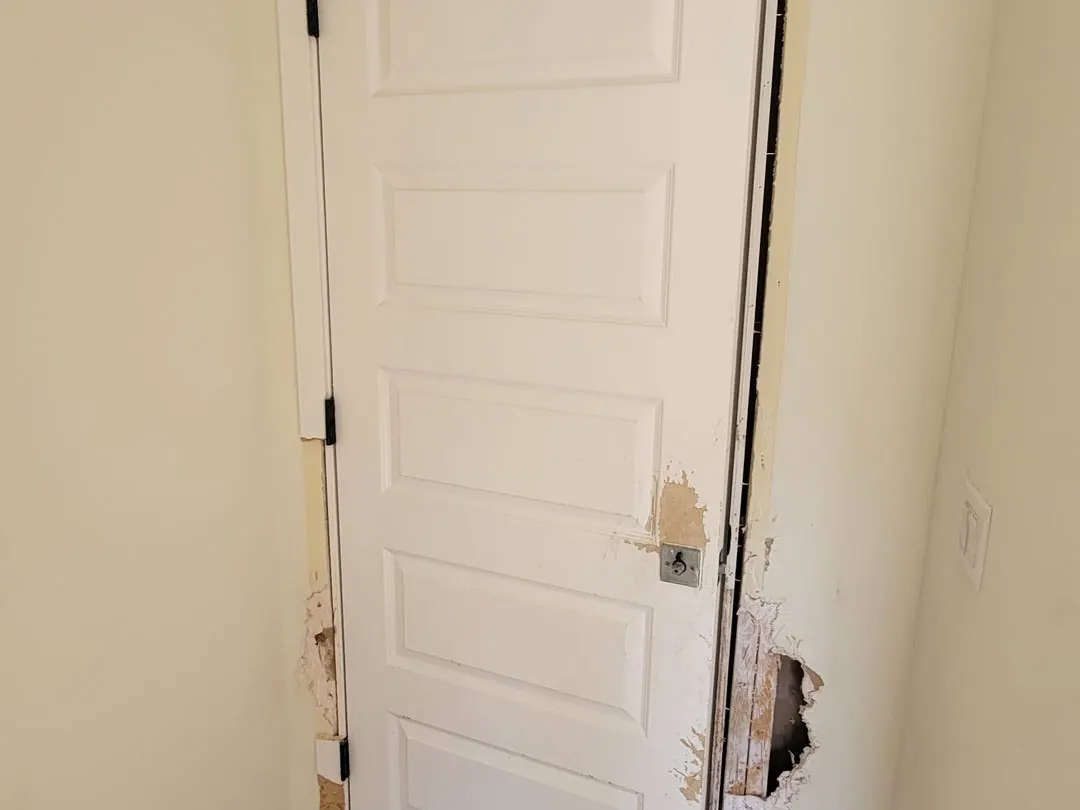
The visible signs are brown or yellow ceiling stains, bubbling or peeling paint, drywall that feels soft or crumbles when pressed, baseboards that swell or separate from the wall, and cabinet bases that sag or flake. Flooring may cup, lift or darken at the seams.
Smell and sound count too. A musty odor under a sink, a hollow feeling in a floor or a stain that reappears after painting suggests moisture is or was present. A stain that grows or comes back is a warning that the source may not be fixed yet, and that matters before any repair starts.
It also helps to note the date you first saw the problem and anything that happened around then, such as a plumbing repair, a storm or an appliance that overflowed. That history helps us judge how far the damage may reach and what to look for when we open the area.
The order of operations matters
Repair only makes sense once three things are true: the source of the water is stopped, the area is thoroughly dry, and any needed cleanup or remediation has been done. If we rebuild before that, the new drywall or cabinet can get wet again and the money is wasted.
That is why our first question is always what caused it and whether it has been fixed. For common problems like a faucet, supply line or valve, we can often fix the source ourselves. For anything larger, such as a failing main line or a roof leak, a plumber or roofer comes first. We then confirm the area is dry before we cut, patch or replace anything.
How our repair process works
We begin by opening up the affected area enough to see the true extent of the damage, because the visible stain is often smaller than the damaged material behind it. We cut out what is soft or compromised, back to solid, dry material.
Then we rebuild in layers: new framing or backing where needed, drywall or cabinet components, tape and texture to blend with the surrounding wall, priming to seal stains so they do not bleed through, and paint to match. For floors, we replace or patch the affected planks or sections. For cabinets, that may mean new bases, shelves or panels. The goal is a repair you cannot find.
We also try to leave you with useful information. If we notice a failing caulk line, a worn supply hose or a loose shutoff valve while we are working, we point it out so you can deal with it before it becomes the next repair. Small preventive fixes are often the cheapest part of the whole process.
- Confirm the source is fixed and the area is dry
- Open up and remove damaged material
- Rebuild framing, drywall, cabinets or flooring
- Texture, prime and paint to match
- Clean up and walk through with you
Arizona factors
Low humidity helps things dry, but it also hides slow leaks, because water can evaporate before you see a stain. A slow drip under a sink or behind a wall can rot material for months while the room feels perfectly dry. Hard water leaves mineral deposits and stains that show up around fixtures and can make leaks look worse than they are.
Many homes here are built on slabs, so plumbing often runs through walls and ceilings instead of a basement or crawlspace. That means a pipe leak often shows up as a ceiling stain or a damp wall rather than a puddle. Monsoon storms can also cause roof leaks and window leaks that damage ceilings and walls, so the roof or window may need attention too.
What we do not do
We want to be clear about our limits. We do not perform mold remediation. If there is visible mold, a persistent musty smell or damage from sewage or contaminated water, a qualified remediation professional should assess it first. We also do not handle insurance claims work, and we are not adjusters. We can provide a straightforward description of the repair work, but we do not negotiate with insurers or manage claims.
If you are filing a claim, talk to your insurer about what documentation they need and when repairs may begin. Do not start rebuilding until you know their process.
What affects the cost and how we scope it
Cost depends on how much material is damaged, what kind it is, and how much matching is involved. A small ceiling patch and repaint is very different from replacing a cabinet base, several feet of drywall and flooring in a kitchen. Hidden damage is the main variable: sometimes the opening reveals more than expected, and we will stop and explain before going further.
To scope, send photos and tell us what happened, when the leak was fixed and who fixed it. We look in person, show you the extent, and give you a clear plan. Please clear access to the damaged area, and let us know about any pets or occupants who may be sensitive to dust.
When it is a bigger job
Large scale water events, such as a burst main, an overflowing appliance that soaked multiple rooms, or damage that affects structural framing, are usually beyond a single handyman visit. They may require water extraction, drying equipment, remediation and sometimes a general contractor. We will say so honestly. Once those steps are done and the structure is dry, we are glad to handle the rebuild and finishing.
If you are unsure which category your situation falls into, send us photos and a short description. We would rather help you sort out the right order of trades than have you hire the wrong one first.
Water Damage Repair Near You
Pick your city to see how we handle water damage repair there.
Frequently Asked Questions
Do you stop the leak too?
We can often fix the source for common leaks like faucets, supply lines and valves. For larger plumbing failures we will tell you if a plumber is needed first.
How do I know the area is dry enough to repair?
Visible dryness is not enough. A moisture reading is the reliable test, and a plumber or restoration company can provide it. We will not close up walls or install new materials until we are confident the area is dry.
Will the ceiling stain come back after you repaint?
Not if the source is fixed and the stain is sealed with a stain blocking primer before paint. If a stain returns, it usually means moisture is still present, and we will help you track down why.
Can you match the texture on my walls and ceiling?
Yes. We match common textures like knockdown, orange peel and smooth as closely as possible, and we blend the repair so it disappears once painted.
Should I replace or dry out a swollen cabinet base?
If the material has swollen or crumbled, it will not return to its original strength, so replacement is usually the right answer. If it is only stained and solid, it may be treatable. We will inspect and tell you honestly.
Recent Work Around the Valley
Ready to check one more thing off your list?
Free estimates. Upfront pricing. 100% satisfaction guaranteed.